Storage
Plate Tree vs Wall Mounted Plate Storage: Which Fits Your Space?
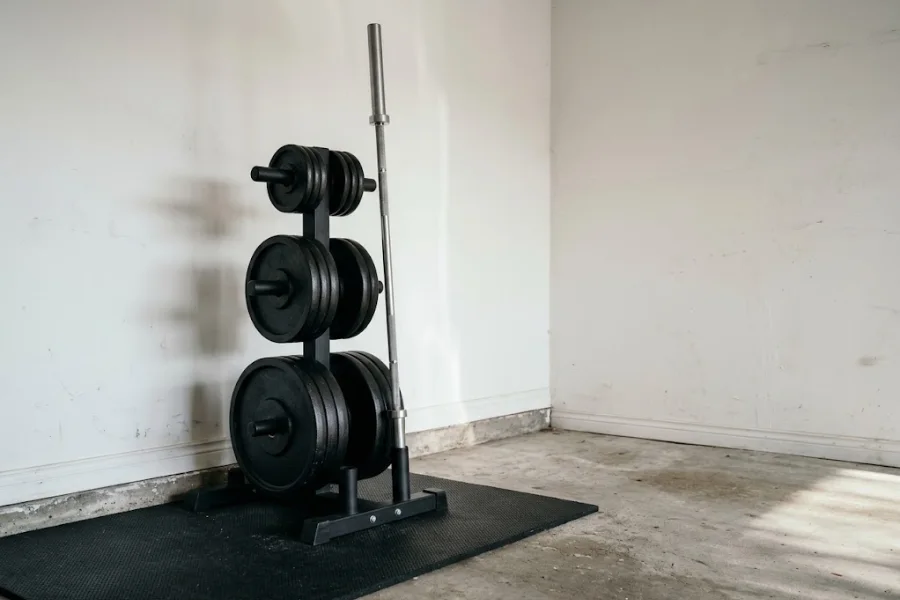
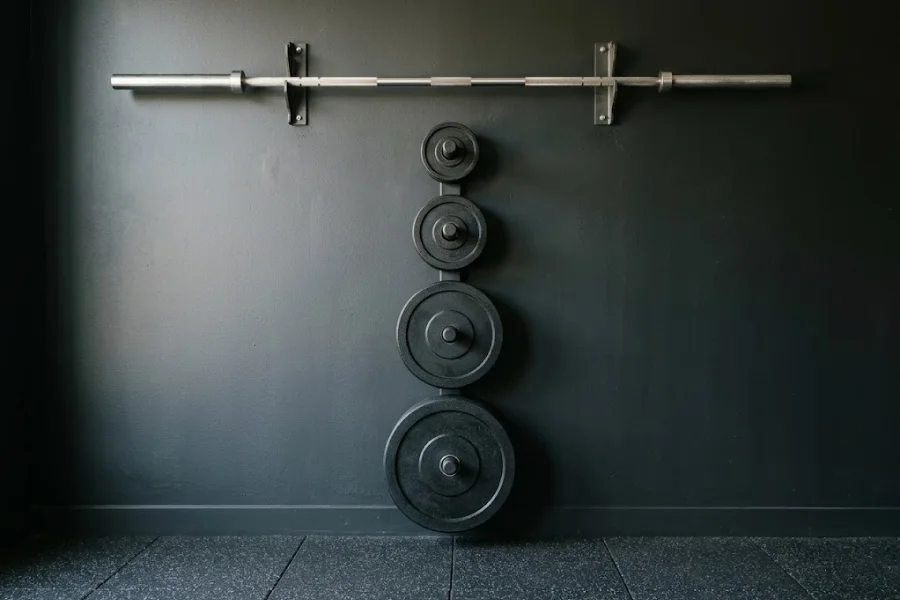
A tree packs six pegs into about 4 sq ft of floor. Wall pegs use no floor but need about 18 in of clear wall each. Count your plates, then spend the space you have.
You have 400 lb of plates in a garage corner and two ways to get them off the floor. Plate tree vs wall mounted plate storage looks like a taste call. It is arithmetic.
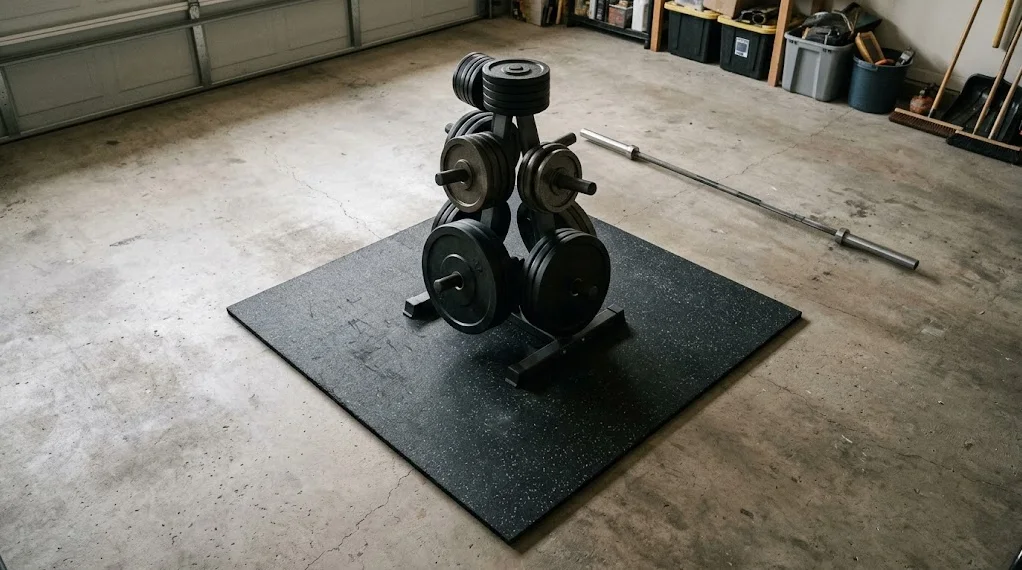
A peg holds the same plates either way. Only the layout differs. A common six-peg tree packs its pegs into about 4 sq ft of floor. A wall puts every peg in one flat plane, so each needs about 18 in of clear wall.
These are planning numbers, not test results, and a qualified pro should check any wall fixing. Size the rest of your gear first: how much wall and floor your gear needs.
Which fits better: a tree or wall pegs?
Pick a tree if you can spare about 2 ft by 2 ft of floor and cannot drill. Pick wall pegs if you have 6 ft or more of clear wall and no floor to spare. Both hold the same plates; they differ in where the space comes from.
| Factor | Plate tree | Wall pegs |
|---|---|---|
| Floor used | About 3 to 4 sq ft | None, but plates stick out about 8 in |
| Wall used | None | About 18 to 20 in per peg |
| Pegs | Usually 5 to 7 | As many as you mount |
| Highest peg | Inside a 37 to 51 in frame | Your choice, up to about 6 ft |
| Drilling | None | Yes, into studs |
The table assumes 45 lb iron plates, which are about 17.5 in across. A set of small plates needs less of either. Weight plate storage is only part of the room plan, and the Storage guides cover the rest.
Hamilton Home Fitness lists plate trees, such as the TAG Fitness Olympic Plate Tree, among its storage racks.
How many pegs does 400 lb of plates need?
Plate thickness sets the count. A 45 lb iron plate is about 1.5 in thick, so an 8 in peg holds five with room to spare. A mixed 400 lb set of 16 plates stacks about 21.5 in deep. That fits on three 8 in pegs on paper and four in practice.
Take four 45s, two 35s, four 25s, four 10s and two 5s. Thicknesses differ a little by maker, so I used the thicker figure each time. Packed to fit, the pegs fill like this:
- Peg 1: four 45s and two 5s, 7.5 in
- Peg 2: four 25s, 7 in
- Peg 3: two 35s and four 10s, 7 in
Each peg is full to within an inch of its tip, so I would plan a fourth to keep sizes apart. Longer pegs shrink the count: some wall pegs run 15.5 in, which would hold this set on two. Rubber plates are thicker, so peg length and plate count for bumper plates work out differently.
Scale it to 500 lb and the stack grows by roughly 3 to 10 in, so I would plan five pegs. A six-peg tree still covers that, while the wall run grows to 7.5 to 8.3 ft.
How much floor or wall do those pegs use?
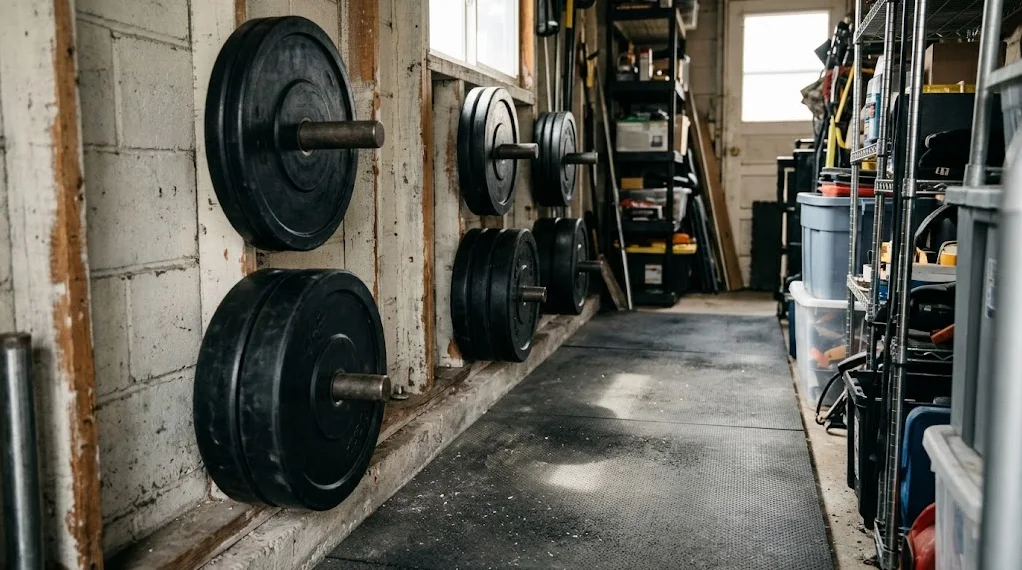
A tree fits six pegs into a footprint of about 24 in by 24 in, or 4 sq ft. Wall pegs sit in one plane, and a 45 lb plate is 17.5 in across, so each peg needs about 18 in of clear wall in a row or column. Four wall pegs use roughly 6 ft of wall.
Real hardware agrees. One wall column I checked is 55.5 in tall with three pegs and 75.5 in tall with four, so each peg adds 20 in. A tree gets its density by putting pegs on both sides of one post at several heights. A wall has one face.
Per peg, a tree uses about 0.67 sq ft of floor (4 sq ft divided by 6). For the four-peg plan, a wall needs 72 to 80 in of run, which is 6 to 6.7 ft. Two side-by-side columns change the shape, not the total: four pegs take a 3 ft by 3 ft block, still 9 sq ft of wall.
Ratings add a second limit. That same four-peg column is rated 360 lb in total, below a 400 lb set, and trees run from about 300 lb on small frames to 850 lb or more on large ones. Read how studs and weight limits shape wall storage before you drill.
Does wall storage really use no floor?
Not quite. Wall mounted weight plate storage frees the floor, but plates on an 8 in peg stick out about 8 in, and that strip is lost to walking, car doors and other gear. A wall also fixes your loading heights the day you mount it.
If a car shares the room, garage gym storage with a car inside covers how to lay it out.
A tree’s pegs all sit inside a frame that is mostly 37 to 51 in tall, but it puts its weight on a small patch of floor. Four hundred pounds of plates plus a light 35 lb frame is 435 lb on about 4 sq ft, roughly 110 lb per sq ft. In an upstairs or spare room, ask a qualified pro about floor load first.
Several trees add upright bar holders. A standard 20 kg Olympic bar is about 86.6 in long, so standing it up needs more than 7 ft 2 in of ceiling. Vertical vs horizontal barbell storage compares standing and lying flat.
When is each option the wrong choice?
In a plate tree vs wall mounted plate storage choice, a tree fails on a rocking or sloped floor and around small children. Wall pegs fail on rental walls, on a wall with no clear 6 ft run, or when you will not lift plates that high. Rule these out first.
Start with the floor. US garage slabs are usually poured with a slope toward the door so water runs out, commonly about 1/8 to 1/4 in per foot. Slope varies, so check yours with a level. Across a 2 ft tree base, that is a 1/4 to 1/2 in drop. The tilt alone is small. A rocking foot on a cracked or patched slab is the bigger worry, and how your slab changes the flooring you need is worth reading first.
- Rental walls: pegs bolt into studs and the holes stay. Renter-friendly storage avoids them.
- Small children: the tree pages I read show feet, not floor anchors, and no tip-over rating.
- Short or broken wall: under 6 ft clear, or cut by doors and outlets, a tree fits better.
- Top peg: a full column puts it near 6 ft, so pick your highest loading height before mounting.
FAQ
Is it possible to overload a plate tree?
Yes. Every tree has a total load rating, from about 300 lb on small frames to 850 lb or more on large ones. Add up your plates and bars first, and read the maker’s own number, because listings sometimes disagree.
Is there a small plate tree for a tight corner?
Yes, with less capacity. Two compact trees I checked have bases of about 20 by 19 in and 22 by 19 in, and ratings of roughly 300 to 500 lb. Check that against your total.
Is a horizontal plate rack better than a tree?
Only if you have floor to spare. One horizontal rack I checked is 53 in by 15.75 in, about 5.8 sq ft, rated 550 lb and 11.5 in tall. It keeps plates low but uses more floor than a tree.
Are plate trees with wheels a good idea?
Wheels buy mobility and cost stability. Some trees offer them as an option. On a sloped slab, look for wheels that lock, because I found no stability data for wheeled trees.
Will iron plates rust on a tree or on wall pegs?
Bare iron can rust in a damp garage whichever rack holds it. The rack changes where plates sit, not the humidity around them. Why gym equipment rusts in a garage covers the causes.
Final thought
Count your pegs first, then spend the space you can spare: floor for a tree, clear and drillable wall for pegs. Check the load rating against your total before buying either.
For the next decision on your list, browse the Guides hub.
Every figure here is planning arithmetic, and the evaluation page explains how Gym Space Guide checks its numbers.
How we wrote this guide
I wrote this as a planning guide, not a product test, and I have not tested any tree or wall rack. Plate sizes, peg lengths, footprints and ratings come from published maker specs and my own arithmetic, checked in November 2026. Makers differ, so check the manual. Ask a qualified professional about wall fixings, upstairs floor loads and any cracked slab.
Which one would fit your garage or spare room?
Send me your wall length, spare floor area and plate list, and I will point you to the guide that matches your numbers.
Write to me