Humidity
Does Gym Equipment Rust in a Garage? Why, and How to Stop It
Rust needs water on bare steel, and a garage can supply it three ways. Learn which parts go first and when to retire one.
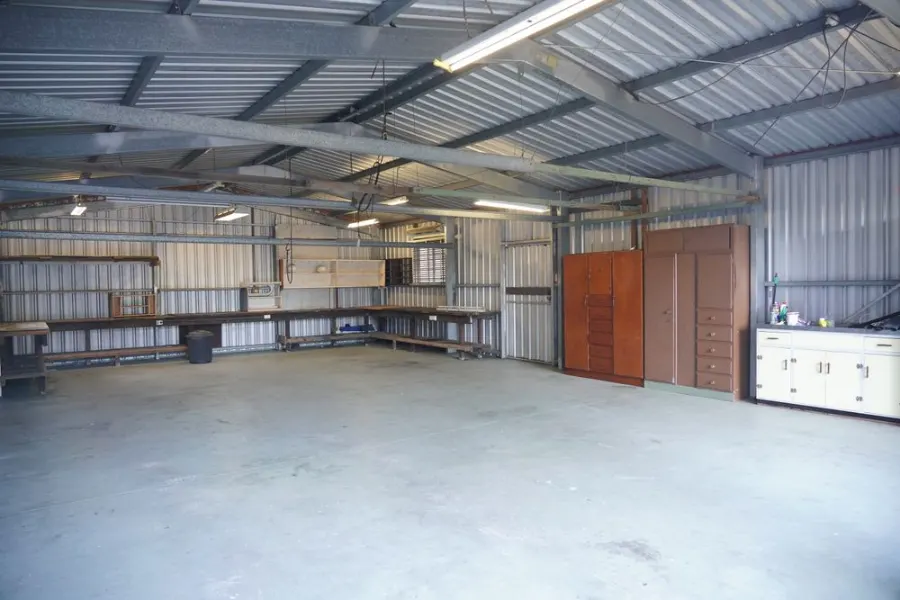
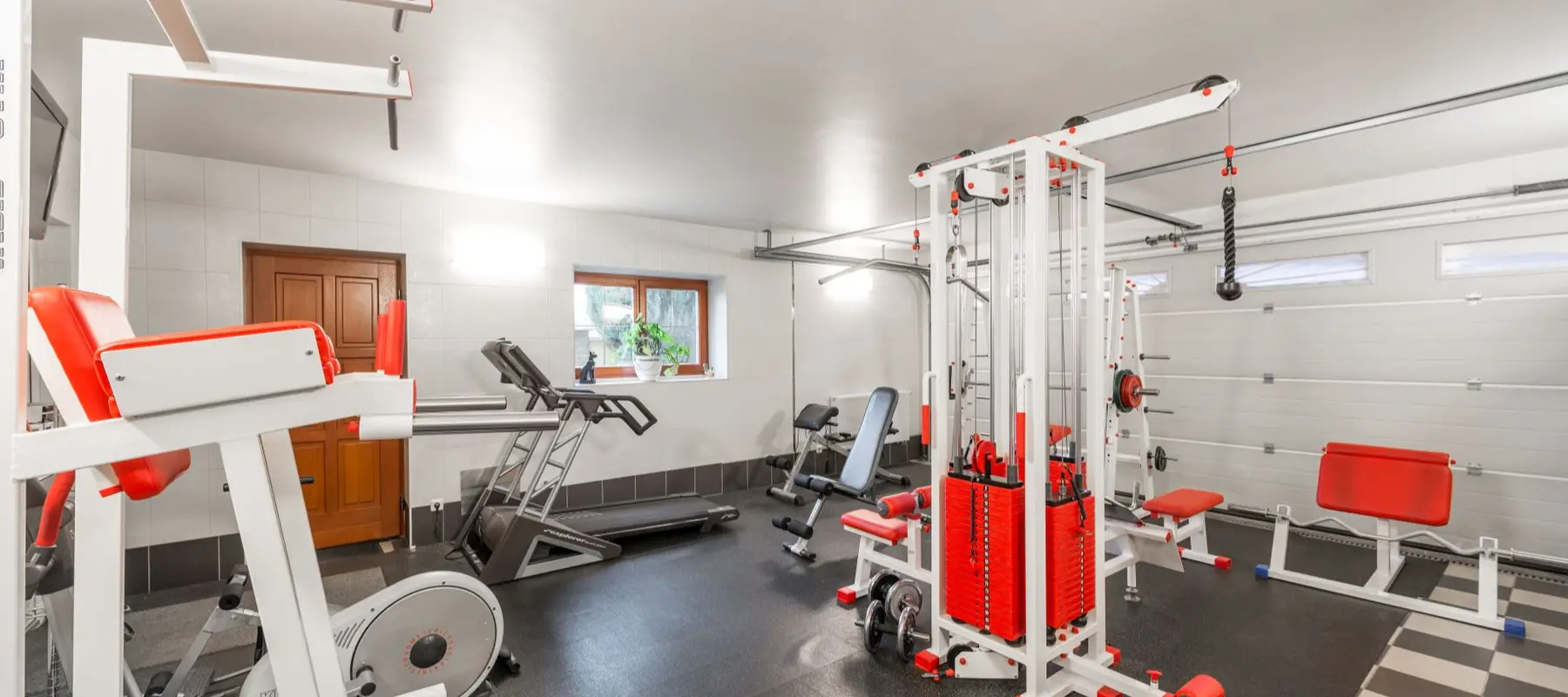
Does gym equipment rust in a garage? Often, yes. The garage is not the cause, though; water on bare steel is. Humid air, cold steel meeting warmer air and a damp slab can each leave that water, and a garage tends to supply all three.
You can slow all three, and you can tell harmless orange dust from real damage. Every figure below is my own calculation, not a test; how we evaluate guides explains the checks.
If rust has eaten into a bar or rack part, retire it; the signs are in the parts table. For related garage topics, see the Climate guides.
Why does steel rust faster in a garage?
Steel rusts when iron, oxygen and water meet, and a garage can supply the water three ways. Humid air leaves moisture on bare steel, cold steel pulls water out of warmer air, and a damp slab passes ground moisture upward. Together they keep metal wet longer than a heated room does.
Does humidity make a barbell rust?
Humidity makes a barbell rust indirectly: humid air leaves a thin film of water on bare steel, and rust grows where that film lasts. Sweat adds salt, which holds water against the metal, and so does salt in coastal air. A bar can therefore rust in a garage that feels dry if the steel itself is cold or salty.
Can a damp slab rust equipment?
A damp slab can rust equipment, slowly, because concrete passes ground moisture upward as vapor. Steel standing on it, or on a flat mat that traps that vapor, stays damp. Test the slab before blaming the air; how to test a garage slab for moisture is covered in its own guide.
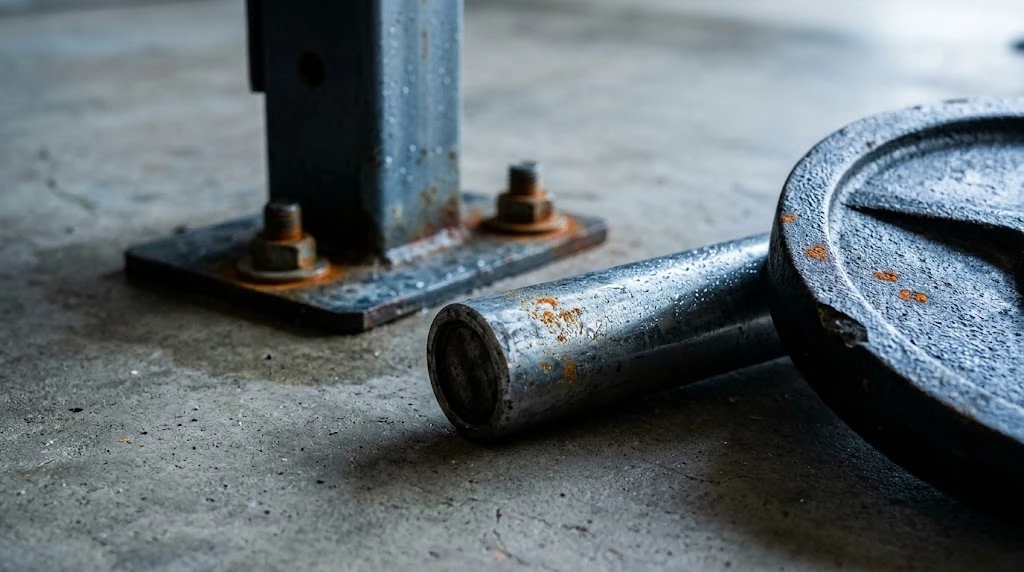
Why does gym equipment sweat in winter?
Gym equipment sweats when its surface is colder than the dew point of the air around it. The dew point is the temperature at which air drops its water as droplets. Cold-soaked steel falls below it first, because steel warms more slowly than air, and that can happen in air that feels dry.
| Garage air | Dew point | A 45°F bar |
|---|---|---|
| 55°F, 55% humidity | 39°F | Stays dry |
| 60°F, 70% humidity | 50°F | Sweats |
| 65°F, 60% humidity | 51°F | Sweats |
| 70°F, 35% humidity | 41°F | Stays dry |
| 75°F, 40% humidity | 49°F | Sweats |
Take a bar that sat overnight at 45°F. By a mild afternoon, 65°F air at 60% humidity has a 51°F dew point, so the bar sweats until it warms past 51°F. Heat helps slowly, because air warms long before steel does. To size a heater for your garage, use the BTU sizing guide.
Swings matter too. Insulation narrows how far the garage follows the weather, and what insulation does and does not change sets the limits.
Which parts rust first, and when to retire?
Bare, scratched and sweat-soaked steel rusts first: bar shafts and sleeves, plates, rack hardware, dumbbell handles and cable ends. Surface rust wipes off and leaves smooth metal. Pitting, flaking or thinned metal is structural. Retire any bar or rack part with structural rust, and do not load it.
| Part | Why it rusts first | Retire it if |
|---|---|---|
| Bar shaft and sleeves | Bare knurling holds sweat and chalk | Pits catch a fingernail, or it bends or cracks |
| Plates | Raw iron faces, bores and chipped edges | Scale flakes off in layers or chips away |
| Rack hardware | Bolts, J-hooks and pins lose their finish | Rust rings welds, bolt holes or pin holes |
| Dumbbell handles | Sweat salt sits on bare steel | Pits or flaking roughen the grip after cleaning |
| Cable ends | Exposed strands hold moisture | Strands are rusted, kinked or broken |
These retire signs are my judgment from how rust works, not a test or a failure rate. Clean surface rust, retire structural rust, and ask the maker about any part you cannot place.
What should you fix first to stop rust?
Fix where the water comes from before treating the rust. Work down this order: lift steel off the slab, keep air moving, hold humidity steady, then narrow temperature swings. Oil and wiping come after, because they only slow rust the room keeps feeding.
- Lift plates and bars off the slab
- Keep air moving past bare steel
- Hold humidity steady
- Narrow temperature swings
Racks, plate trees and wall storage keep steel out of damp spots. Leave a gap behind stored gear so air can reach it.
Before mounting a fan, try measuring overhead clearance so it stays clear of the bar path. Run it after sessions to move air across the steel, across stored plates and along the wall behind them.
A dehumidifier lowers the dew point, so steel sweats less. A small humidity gauge, called a hygrometer, shows whether it is working, so read it near the gear, not by the door. The guide to measuring humidity and sizing a unit covers the rest.
Insulation and steady, gentle heat narrow the swings. Unvented fuel heaters add water to the air, so weigh propane against electric heat before you buy.
Which care habits keep bare steel safe?
Wipe sweat off bare steel after each session, keep a thin film of light oil or wax on it, and cover only dry gear. A finish slows rust too, until a chip exposes the steel. None of these habits can dry a damp room, so do the room fixes first.
How do you stop a barbell rusting?
Wipe the bar dry after each session and keep a thin film of light oil on the bare steel. Brush chalk out of the knurling with a nylon brush first, then buff off excess oil so the grip stays dry. Follow the maker’s care guide; checking weekly while the weather swings is my judgment, not a tested interval.
Do covers help or trap moisture?
A breathable cloth cover can help, but sealed plastic can trap damp air against cold steel. Cover only gear that is dry and no longer cold from the night, and leave gaps for air. A cover mainly keeps dust and drips off; that is my judgment from how condensation works, not a test.
FAQ
What humidity causes steel to rust?
No single level does. About 60% is a common planning line for steady rust on bare steel, and salt or dirt lowers it. Cold steel can sweat below that line: at 75°F and 40% humidity, steel under 49°F gets wet.
Does a dehumidifier prevent garage gym rust?
It helps when humid air is the cause, because it lowers the dew point and steel sweats less. It cannot dry a wet slab or rescue gear already damp with sweat, so pair it with wiping and airflow.
Is it OK to store weights in a cold garage?
Yes. Cold alone does not rust steel or iron; water does. Trouble starts when warmer, damper air reaches cold weights, so keep them dry and off the slab. If you add a heater, check what the garage circuit can carry first.
Does rubber flooring stop rust?
No, not by itself. Rubber lifts gear off bare concrete, but it does not dry the slab or the air, and a flat mat can hold moisture underneath. Test the slab first, then compare garage floor types with room for air below.
Final thought
So does gym equipment rust in a garage? Only where water reaches bare steel. Find where yours comes from: the slab, humid air or temperature swings. Fix that one first, then add the wiping and oiling habits, and retire any part with structural rust, whatever the cause.
For the next planning step, browse all guides.
How we wrote this guide
Every number comes from my own calculation. Dew point uses the Magnus formula. With t as air temperature in °C, td = 243.12 × g ÷ (17.62 − g), where g = ln(humidity ÷ 100) + 17.62 × t ÷ (243.12 + t). Planning assumptions: a bar at 45°F, and about 60% humidity as a rule-of-thumb line, not a test result. I have not tested any equipment or garage. The retire signs are my judgment, and rules for slabs, heaters and wiring vary by location.
Is your garage damper than this one?
Send your garage size, insulation and coldest training day, and I will tell you which numbers to check.
Write to me