Cooling
How to Cool a Garage Gym Without AC: Fans and Airflow
A fan cools you, not the air. My example 3,200 cubic foot garage needs 800 CFM for 15 air changes an hour.
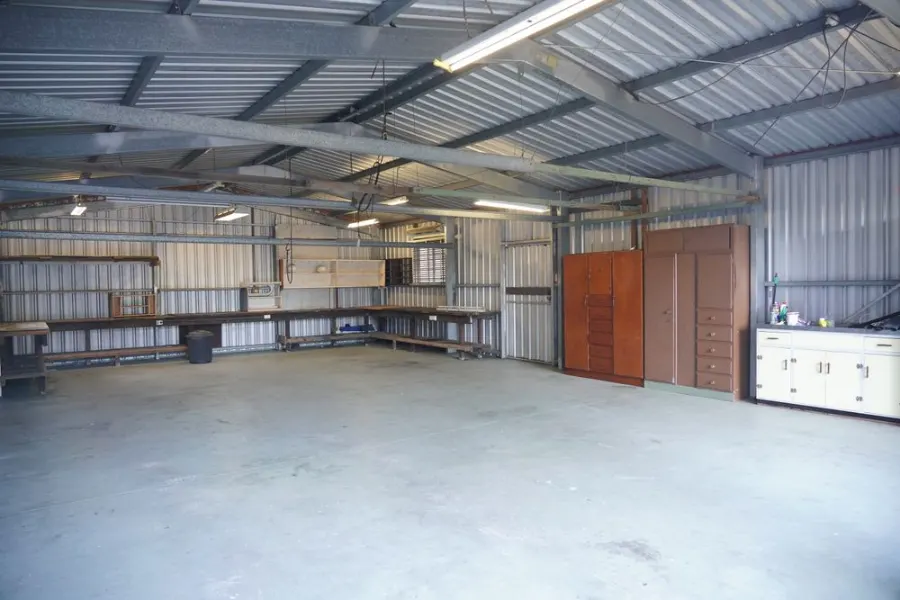
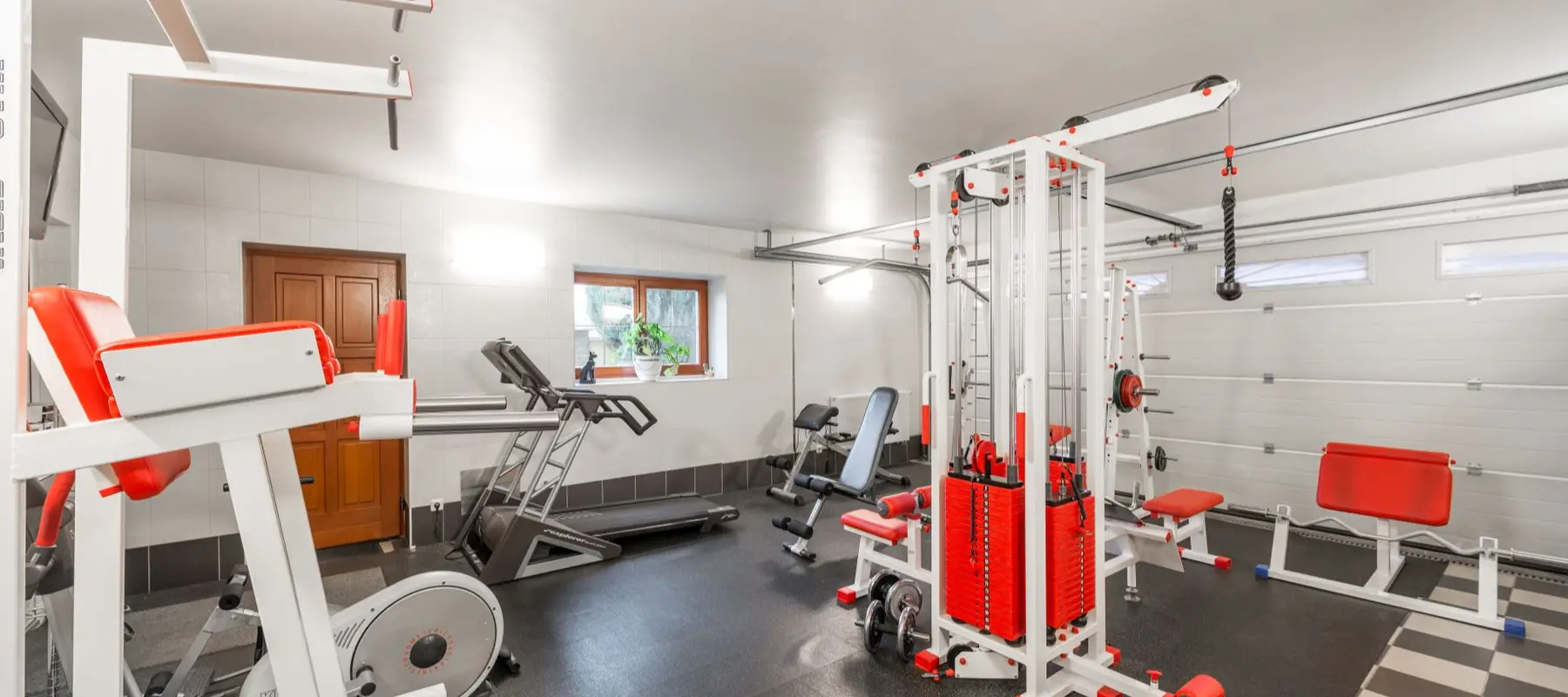
The fan is running, the door is up, and the garage is still an oven. Here is how to cool a garage gym without AC. Cut the heat getting in, swap hot air for outdoor air only when it is cooler and drier, and aim a fan at yourself. A fan alone does not lower the air temperature.
Every figure is my own planning calculation, not a test; how we evaluate guides explains the method. If you feel dizzy, sick or faint, stop, drink water and cool down, and ask a doctor if unsure.
Wiring needs a licensed electrician. More help sits in the Climate guides.
Will a fan make a hot garage cooler?
No. A fan moves air; it does not lower the air’s temperature. It cools you by helping sweat evaporate, and its motor adds a little heat to the room. Without cooling hardware, only swapping hot indoor air for cooler outdoor air, or cutting the heat that gets in, lowers the garage temperature.
A fan that draws 100 watts adds about 341 BTU/h (BTU per hour, a measure of heat), since each watt becomes 3.412 BTU/h. Read the label’s watts and add them to the rest of the circuit, as in what a garage circuit can carry. A fixed fan needs wiring, so ask a licensed electrician.
A ceiling fan works the same way and hangs below the ceiling. Measure its drop against your rack and pull-up zone first; headroom a home gym needs shows how. In humid air sweat dries slowly, so any fan helps less.
How much airflow does a garage gym need?
Airflow in CFM (cubic feet per minute) is volume × air changes an hour ÷ 60. The example two-car garage holds 3,200 cubic feet, so 15 air changes an hour needs 800 CFM, a full swap of the air every 4 minutes.
| Air changes an hour | CFM | Heat out per °F of gap, BTU/h |
|---|---|---|
| 10 | 533 | 576 |
| 15 | 800 | 864 |
| 20 | 1,067 | 1,152 |
My own calculation, 20 × 20 × 8 ft: 10, 15 and 20 air changes are my planning values, not a standard. Heat out follows the BTU guide’s air-loss formula, 0.018 × volume × air changes, for each °F the garage is hotter than outside.
Label CFM is usually a free-air rating, so a fan in a wall opening moves less.
Where should a fan go in a garage gym?
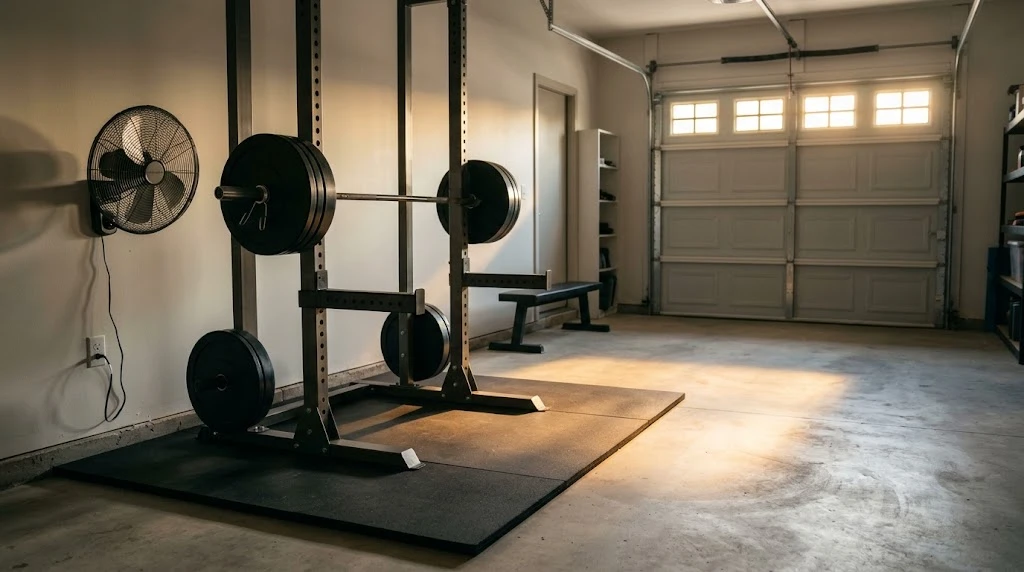
Aim a circulation fan across the lifter, and put exhaust fans high on the sunny side, blowing out.
- Circulation fan: beside the platform, chest high, aimed across you
- Exhaust fan: high on the sunny wall, blowing out
- Inlet: a low opening on the shaded side, as wide as the fan
With one overhead door and no windows, raise the door until a fan fits the top of the gap and let air enter below. That is my judgment, not a calculation.
When do open doors and exhaust fans help?
Open the door or run an exhaust fan only when the outdoor air has a lower temperature and a lower dew point than the garage air. Dew point is the temperature at which air starts to drop water. Cooler but wetter air brings moisture in, not relief.
Outdoor temperature caps what airflow can do. At 800 CFM, two trainers and gear hold the garage about 3.5°F above the outdoor air, before sun and wall heat. No fan gets it below the outdoor air. If outside is 10°F hotter, the same fan carries in 8,640 BTU/h.
| Case | Outside | Garage | Open? |
|---|---|---|---|
| Dry evening | 82°F, 25% RH: dew point 43°F | 92°F, 30% RH: dew point 56°F | Yes |
| Humid evening | 82°F, 80% RH: dew point 75°F | 90°F, 45% RH: dew point 66°F | No: wetter |
| Hot afternoon | 98°F, 20% RH: dew point 50°F | 88°F, 40% RH: dew point 61°F | No: hotter |
Dew points are my own calculation, in °F. Use g = ln(RH ÷ 100) + 17.625 × T ÷ (243.04 + T), with T in °C, then dew point = 243.04 × g ÷ (17.625 − g).
On the humid evening the door could cool the garage 8°F but lifts its dew point from 66°F to 75°F. A bar or slab cooler than that dew point collects water; why gym steel rusts in a garage explains the damage.
How do shade and a better door cut heat?
Shade and a better door cut the heat that gets in, and they pay most on a bare shell. In the summer model, perfect shade removes 32% of a bare two-car garage’s 26,786 BTU/h estimate but only 12% of an insulated one’s 6,271.
Both figures come from the summer estimates in the mini split guide, where I add a 25°F sun allowance to the ceiling and door; perfect shade removes it. Real shade blocks only part of the sun, so treat 32% as a ceiling, not a promise.
The door is 11% of the bare garage’s shell area but 21% of its estimate. A lighter finish reflects more sun, an awning or tree shades it, and insulating the garage door slows what still gets through. Keep it shut while the sun is on it.
Which fixes fit dry heat or humid heat?
How to cool a garage gym without AC depends on the heat. In dry heat, night airflow, shade and a fan on you do most of the work. In humid heat, airflow cannot remove moisture, so shade, insulation and a dehumidifier or air conditioning carry the load.
| Heat | What helps | What does little |
|---|---|---|
| Dry heat (low dew point, cool nights) | Night and morning airflow, shade, a fan on you, an evaporative cooler | An exhaust fan on a hot afternoon |
| Humid heat (high dew point, muggy nights) | Shade, door insulation, a fan on you, a dehumidifier | Open doors, evaporative coolers, exhaust fans |
An evaporative (swamp) cooler cools air by adding water vapor, so it suits dry heat and makes humid heat damper.
In humid heat, pair shade with a dehumidifier; when a dehumidifier is the right tool covers measuring and sizing. It removes moisture, not heat.
Fans have reached their limit when the garage is still too hot to train in at dawn with the door open, or the outdoor dew point stays above the garage’s. Then compare air conditioning for a garage gym.
FAQ
What is the best fan for a garage gym?
It depends on the job. A wall-mounted or pedestal fan aimed across the platform cools you; an exhaust fan sized by label CFM moves hot air out. Skip ceiling fans under low ceilings, as in a home gym with a 7-foot ceiling.
Do attic fans cool a garage?
Only indirectly. An attic fan pulls hot air from the attic, slowing heat coming down if the attic has intake vents. It does not cool garage air, and ceiling gaps can let it draw garage air up. Roof cuts and wiring need a pro.
How hot is too hot to work out in a garage?
No single temperature fits everyone, so listen to your body. Stop and cool down if you feel dizzy, sick, faint or unusually weak, drink water, and ask a doctor if you are unsure. Humid air feels harsher because sweat dries slower.
What temperature is a garage in summer?
There is no standard number, so measure yours. Hang a thermometer at head height out of direct sun, and log it at dawn, mid-afternoon and evening for a week, beside the outdoor reading. The gap shows whether airflow or shade will help.
Final thought
Cut the heat that gets in first, move air only when the outdoor temperature and dew point are both lower, and aim a fan at yourself. Log the garage and outdoor temperatures for a week before you buy anything. If that cannot hold the heat, the numbers point to cooling hardware, not a bigger fan.
More planning guides sit on the guides page.
How we wrote this guide
The airflow, heat and dew point figures are my own calculation. They use the air-loss formula and summer model from the BTU and mini split guides, with planning values labeled. I have not tested any fan, door or garage. Ventilation figures ignore sun and walls, and electrical rules vary by location. I wrote it so you can pick fixes before you spend.
Does your garage differ from this example?
Send your garage size, insulation and coldest training day, and I will tell you which numbers to check.
Write to me