Climate
Mini Split for Garage Gym: What Size Do You Need?
Size a mini split from your garage’s heat loss and heat gain: an insulated garage fits 9,000 BTU/h, a bare two-car garage needs 36,000.
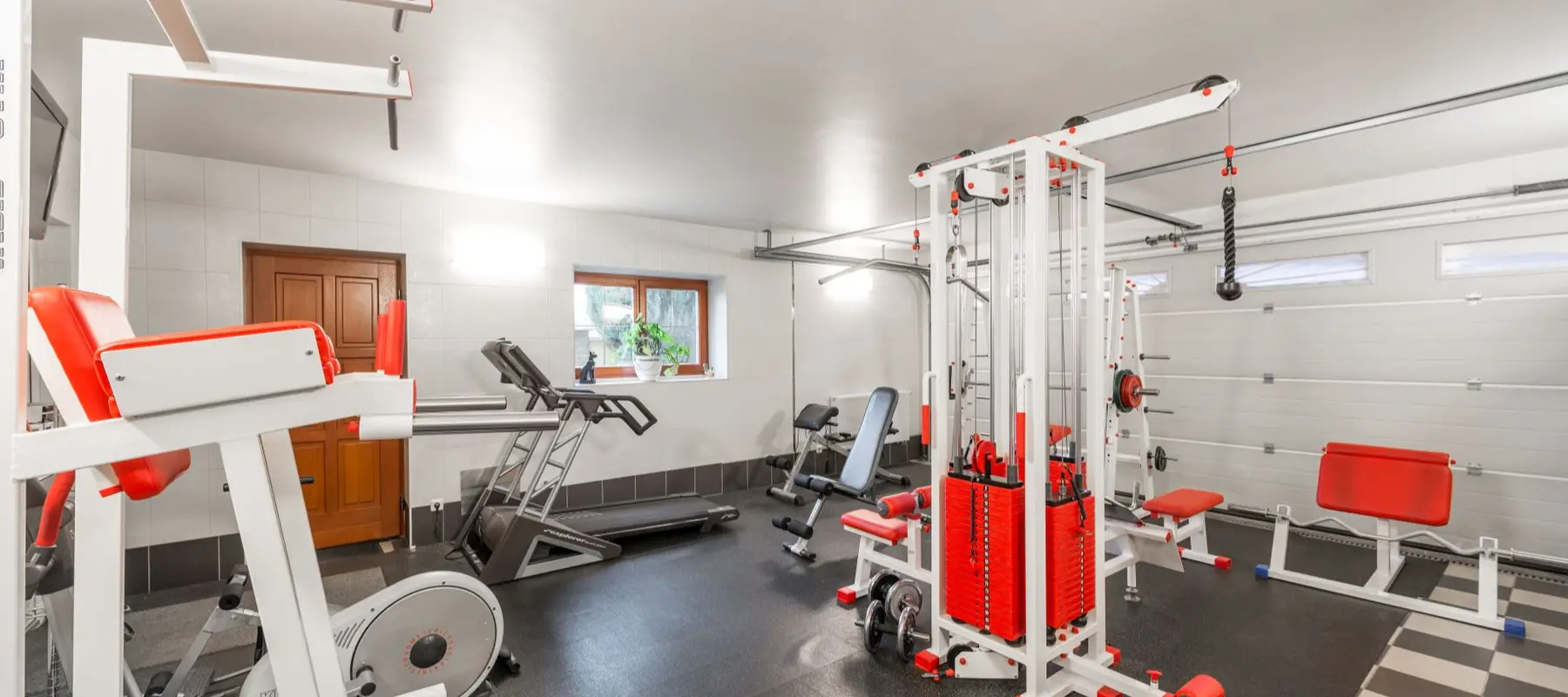
A mini split for garage gym use should be sized from the garage’s heat loss and heat gain, not its floor area. In my planning numbers, a tight, insulated one- or two-car garage fits a 9,000 BTU/h unit (BTU/h is heat moved per hour), while a bare two-car garage needs 36,000.
Every figure is my own calculation, not a test; how we evaluate guides explains the checks.
Installing one takes a licensed HVAC contractor and a licensed electrician. More heating and cooling help sits in the Climate guides.
What size mini split fits a garage gym?
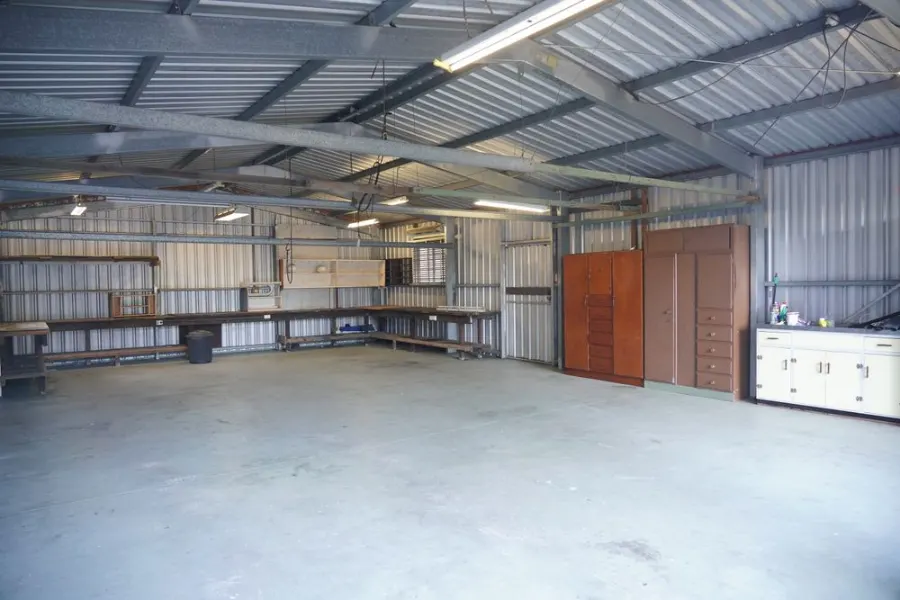
My planning numbers call for a 9,000 BTU/h mini split in an insulated one- or two-car garage, 24,000 in a bare one-car and 36,000 in a bare two-car. The shell matters more than floor area: the same 400-square-foot two-car garage needs 5,039 BTU/h of heat insulated and 30,413 bare.
| Garage | Winter heat, BTU/h | Summer cooling, BTU/h | First size up |
|---|---|---|---|
| 1-car, insulated | 3,485 | 4,179 | 9,000 (0.75 ton) |
| 1-car, bare | 20,971 | 17,518 | 24,000 (2 tons) |
| 2-car, insulated | 5,039 | 6,271 | 9,000 (0.75 ton) |
| 2-car, bare | 30,413 | 26,786 | 36,000 (3 tons) |
My own calculation: a planning estimate, not a test or a professional load calculation. Garages are 12 × 20 ft and 20 × 20 ft with 8 ft walls. Winter figures come from the BTU heating guide for garage gyms, at 55°F inside and 15°F outside.
Each surface loses heat at area × temperature difference ÷ R-value (resistance to heat flow), and air leaks add 0.018 × volume × air changes per hour × temperature difference.
Summer repeats that at 75°F inside and 95°F outside and adds a 25°F sun allowance to the ceiling and door.
It then adds 1,000 BTU/h per trainer (one in the one-car garage, two in the two-car) plus 1,000 for lights and gear, and 10% extra on the heat through surfaces and air. Windows and humidity are not counted.
How do you pick the size to buy?
Take the larger of the winter and summer loads, then buy the smallest nominal size at or above it. A nominal size is the rating named on the box; common steps are 9,000, 12,000, 18,000, 24,000, 30,000 and 36,000 BTU/h, and 12,000 BTU/h equals one ton.
In my numbers, bare garages follow winter, when heat leaks out fast. Insulated garages follow summer, because trainers, gear and sun on the roof and door outweigh a small winter loss. A hotter or colder climate can flip either result, so run both sums.
What does oversizing cost you?
An oversized unit costs more up front, can cycle on and off in mild weather and may leave the air clammy, because it stops before pulling out much moisture. An undersized one runs flat out on the worst day and falls short. The smallest size on my list is more than twice the insulated one-car load. For moisture, see the dehumidifier guide for garage gyms.
Is one indoor unit enough?
One open garage usually needs one indoor unit and one outdoor unit, a single-zone system. A two-zone system adds a second indoor unit for a garage walled into two rooms, or one too long for a single unit’s airflow. Ask the installer, because my sizes assume one unit carries the whole garage.
Does a mini split work in a cold garage?
A heat pump mini split, the type that heats as well as cools, can heat a cold garage, but its heating output falls as the outdoor air gets colder. Check the maker’s low-temperature rating in the manual, and compare the heating output it lists for your coldest day with your heating load.
Nominal size is a rating at mild test conditions, not at 15°F. Each model loses output at a different rate, and some stop heating below a set outdoor temperature. Models built for cold climates keep more output.
If the listed output on your coldest day falls below your load, step up a size or choose a cold-climate model. The insulated two-car garage needs 5,039 BTU/h at 15°F outside. In cold, damp weather the outdoor unit also melts frost on a cycle, which briefly pauses heating.
Heat does not dry a damp slab either, so test the slab for moisture before you pay for any climate system.
Can you install a mini split yourself?
Not as a plain do-it-yourself job. A licensed HVAC contractor should handle the refrigerant side and the unit, and a licensed electrician the circuit. Ask your building department which permits apply, and read the warranty, because installer rules can affect coverage.
Do mini splits need a dedicated circuit?
Usually yes: a mini split normally gets its own breaker, sized from the unit’s label, not from its BTU number. Smaller units often run on 120 volts and larger ones on 240. Most are hardwired, not plugged in, and usually need a shut-off switch beside the outdoor unit. A licensed electrician confirms the wiring. For amp and watt basics, see what a space heater needs from a garage circuit.
What should you tell an installer?
Give the installer the facts that set the load, because a quote built on floor area alone can miss by several sizes.
- Garage size and ceiling height
- Insulation, door type and air gaps
- Coldest and hottest days you train
- How many people train at once
- Where the outdoor unit can sit
Compare sound ratings in decibels, and keep the outdoor unit away from bedroom windows. A wall-mounted indoor unit also takes wall space high up, so check the ceiling height a home gym needs for rack clearance first.
Are mini splits good for garages?
Yes, a mini split for garage gym use suits a garage you own, insulate and train in for months each year. It is the wrong call for a rented garage, a single short season or a tiny budget. For one cold season, compare propane and electric garage heaters first.
Skip a mini split when:
- You rent, since it is fixed hardware through a wall
- You need climate control for only a few weeks a year
- You train with the garage door open, so cooled air escapes
- Equipment plus installers would strain your budget
- The shell stays bare, which makes the unit far larger
If two or more apply, choose a simpler option first. If rust is your only problem, moisture control comes first; read about rust on gym equipment in a garage.
FAQ
Can you put a mini split in a garage?
Yes, if there is wall space for the indoor unit, a spot outside for the outdoor unit and a circuit. A low ceiling can limit where the indoor unit goes, so plan usable height first, as in a home gym with a 7-foot ceiling.
Can a mini split heat and cool a garage?
Yes, if it is a heat pump model, which can run in either direction: cooling in summer, heating in winter, year round. Confirm the model lists heating, because some units only cool.
Is a 12,000 BTU mini split enough?
Yes for an insulated one- or two-car garage: 12,000 BTU/h is about twice the 6,271 BTU/h summer estimate for the two-car example. Check its listed winter output too. No for a bare garage, which needs 24,000 to 36,000 BTU/h.
What does a garage mini split cost to run?
Multiply its average kilowatts by hours run and your electric rate. At an assumed 2.5 units of heat per unit of electricity, the insulated two-car garage’s 5,039 BTU/h winter load draws 591 watts, against 1,477 for a resistance heater.
Final thought
Size from the shell: run the heating and cooling sums for your garage, take the larger load and round up to the next size. Then start with insulating the garage first, because it takes the two-car size from 36,000 to 9,000 BTU/h. Take those numbers to a licensed contractor.
More planning guides sit on the guides page.
How we wrote this guide
Every number comes from my own calculation: winter sums from the same heat-loss model I use for heater sizing and a summer estimate built on labeled planning assumptions. It is not a professional load calculation. I have not tested any mini split, garage or installer. Sun, humidity, windows and door openings change real loads, and permits, codes and warranty terms vary by location. I wrote it so you can name a size before you ask for quotes.
Not sure which size your garage needs?
Send your garage size, insulation and coldest training day, and I will tell you which numbers to check.
Write to me