Heating
Propane vs Electric Heater for a Garage Gym
At example rates, 100,000 BTU costs about $4.10 by vented propane and $5.28 by electricity. Cost is only one of four checks.
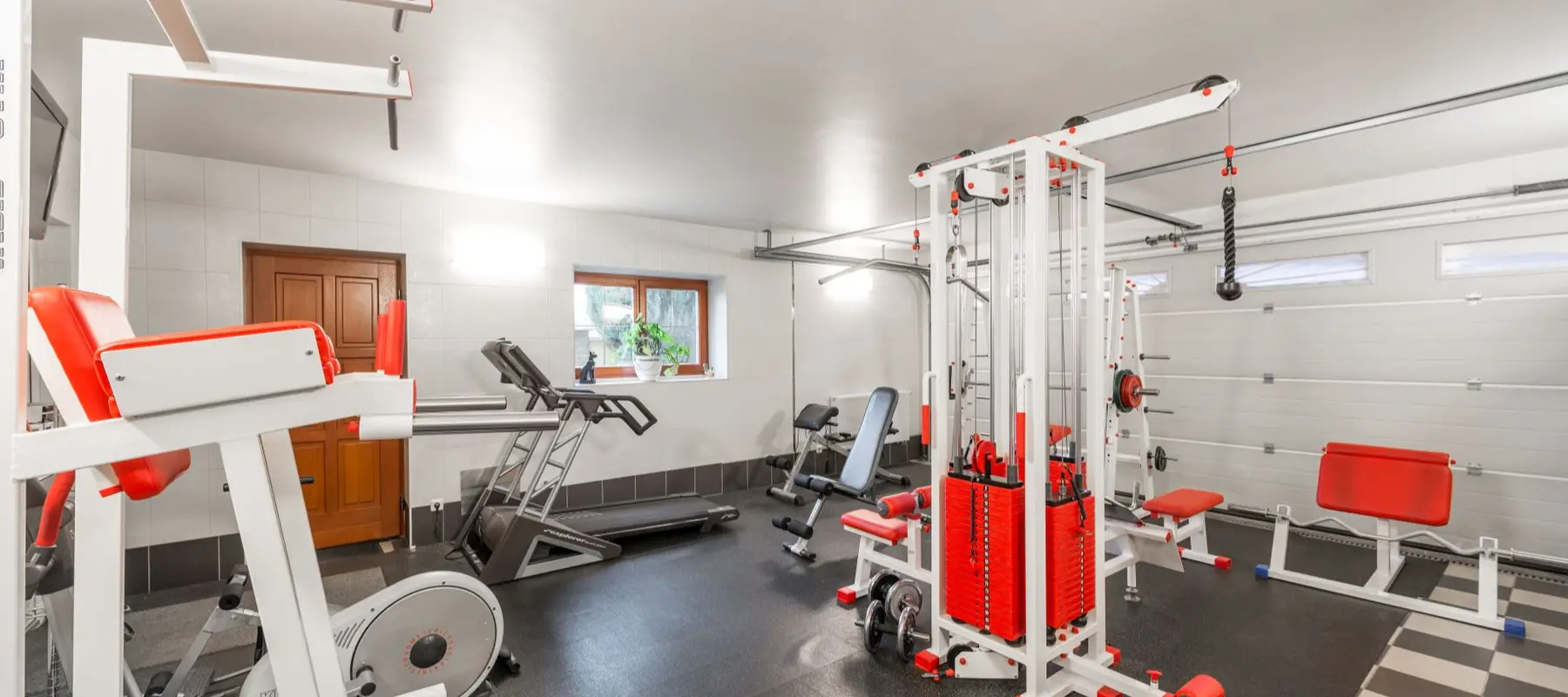
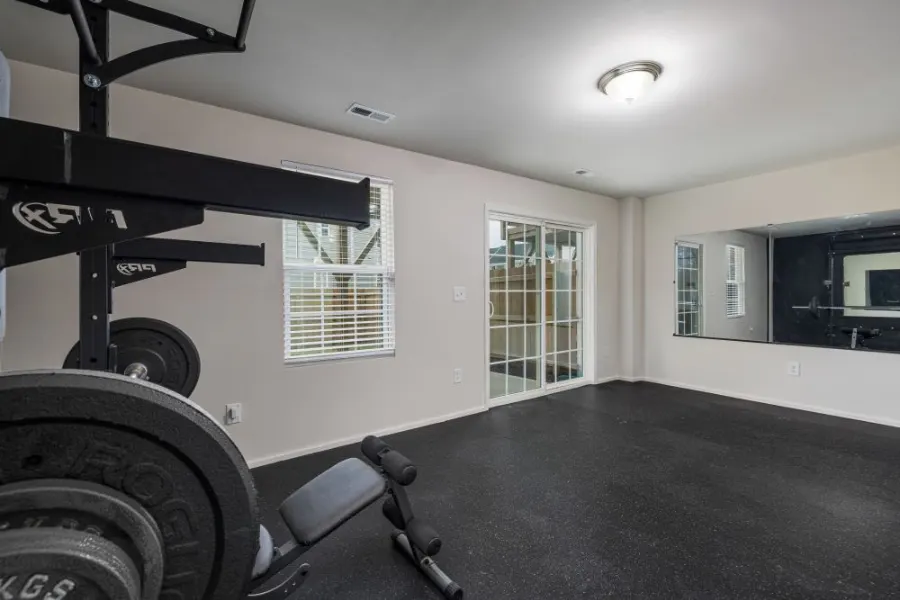
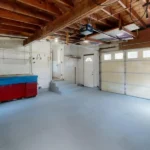
Two garages of the same size can need very different heaters. To hold 55°F on a 15°F day, a tight two-car garage needs about 5,000 BTU an hour and a bare, leaky one about 30,400. Electric suits the first. Vented gas suits the second. Unvented propane is occasional heat with conditions.
This guide compares the options on output, cost, fumes and fit. Size the heat first with our BTU guide for garage gyms. Gas lines and wiring are licensed-pro work, so you get the math and the decision rules, not install steps.
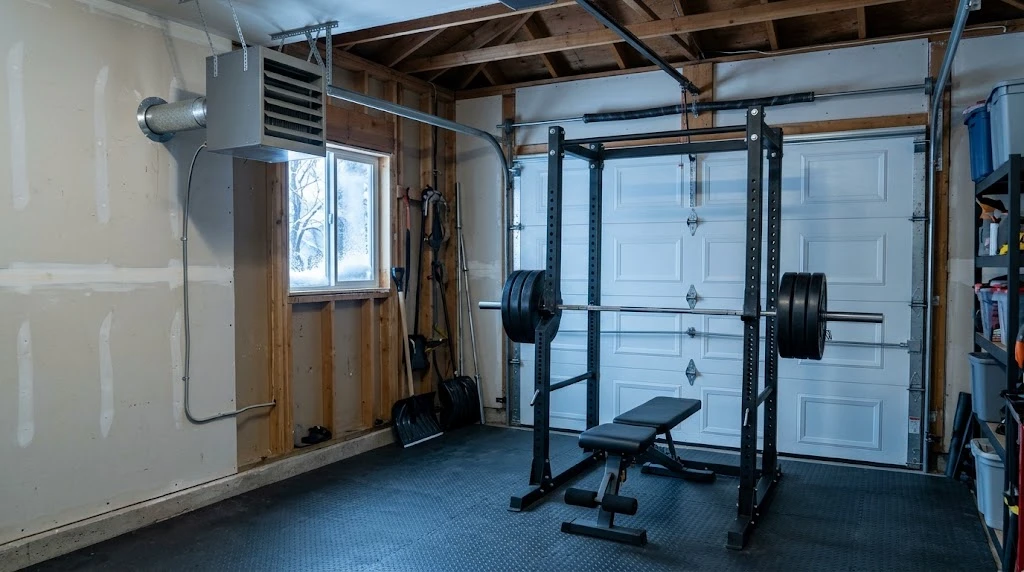
Which Heater Type Fits Which Garage?
Electric fits garages that need up to about 17,000 BTU an hour and have the circuit for it. Vented gas fits bigger loads or all-day heat. Unvented propane costs little to buy but works only as occasional heat, with fresh air and an alarm. Output decides first. Fuel comes second.
| Heater | Heat per hour | What it needs |
|---|---|---|
| Plug-in electric, 1,500 W | About 5,100 BTU | A wall outlet and a free 20-amp circuit |
| Hardwired electric, 240 V | About 10,200 to 17,100 BTU (3,000 to 5,000 W) | An electrician and its own circuit |
| Vented gas unit heater | 30,000 BTU and up | Gas supply, an exhaust path outside, a pro install |
| Unvented propane | 10,000 to 60,000 BTU, by model | Fresh air, a cylinder or gas line, an alarm |
Electric: Plug-In or Hardwired
A 1,500-watt plug-in heater gives about 5,100 BTU an hour, which is watts times 3.412. That covers a tight two-car garage but draws 12.5 amps, so read the space heater garage circuit guide before you plug in.
Past that, go hardwired. A 5,000-watt, 240-volt unit gives about 17,000 BTU an hour on its own circuit, installed by an electrician. Ceiling-hung units need headroom, so check the minimum ceiling height for a home gym first.
Gas: Vented or Unvented
A vented gas heater sends its exhaust outside. An unvented one releases it into the garage. Vented units, such as ceiling-hung unit heaters, need a gas supply and a professional install. Unvented ones, from portable forced-air to wall-mounted types, cost less to buy but add fumes and water vapor. Some places restrict them, so ask your local building office first.
How Much Does Each Fuel Cost to Run?
At example rates of 18 cents per kilowatt-hour and $3.00 per gallon, 100,000 BTU of heat costs about $5.28 by electricity and $4.10 by a vented propane heater. Your own rates change the gap, so run the numbers below with them.
Cost of 100,000 BTU, Step by Step
Divide 100,000 by the fuel’s BTU value, correct for efficiency, then multiply by the price.
- Electric: 100,000 ÷ 3,412 = 29.3 kWh. At $0.18, that is $5.28.
- Vented propane at 80 percent: 100,000 ÷ (91,500 × 0.8) = 1.37 gallons. At $3.00, that is $4.10.
- Unvented propane at 100 percent: 100,000 ÷ 91,500 = 1.09 gallons. At $3.00, that is $3.28.
Swap in the rates from your electric bill and propane receipt. Both rates here are examples, not current prices, and 91,500 BTU per gallon is a common figure for propane.
When Propane Stops Being Cheaper
A vented propane heater stays cheaper while a gallon costs less than about 21 times your price per kilowatt-hour. At 18 cents, that line sits near $3.86. The saving is small in a tight garage, about $0.06 an hour at 5,000 BTU, and larger in a leaky one, about $0.36 at 30,400. Vented gas also costs more to install, so running it often repays that. Weekend use may not.
Is a Propane Heater Safe in a Garage?
Only if it is rated for indoor use, the garage has fresh air, and a working alarm is nearby. Vented gas units are the safest gas option because the exhaust leaves the building. Unvented ones give off carbon monoxide, which has no smell, and water vapor into the room.
Carbon Monoxide and Fresh Air
Carbon monoxide has no smell, so fresh air and an alarm are your two checks. An oxygen sensor shuts a heater off when oxygen runs low, but it does not clear fumes. Give the heater the fresh-air opening its manual specifies. Some household alarm manuals bar garage mounting and anything colder than about 40°F, so read yours and keep a regular alarm in the living space beside the garage.
Open Flame, Fuel and Fumes
Gasoline vapor settles low, so US codes commonly put a gas heater’s ignition source at least 18 inches above the garage floor. Avoid these:
- Patio, camping or outdoor-only heaters indoors
- Spare cylinders stored in the house or attached garage
- Running a gas heater while you sleep or leave
- Trusting the oxygen sensor instead of fresh air
Fuel lines, regulators and fittings are a licensed gas fitter’s job.
Moisture, Rust and Your Gym Gear
Burning propane makes water. An unvented 30,000 BTU heater adds just over a quart of water vapor to the air each hour, and cold barbells and plates collect it as condensation. Vented gas heaters send it outside, and electric heaters make none.
Cold steel gathers a film of water from damp air, and that film is where rust starts. If your slab already lets moisture through, a gas heater piles more on top, so test the floor with the garage gym floor vapor barrier guide. Keep bars, bands and towels at the clearance your heater manual lists.
Which Heater Should You Choose?
Start from the BTU need, then the circuit, then how often you train. A tight garage that needs about 5,000 BTU an hour points to electric. A leaky one that needs 20,000 BTU or more points to vented gas. Pick unvented propane last.
- Tight one- or two-car garage: plug-in electric. About 5,000 BTU an hour fits a 1,500-watt heater, with no fumes or moisture.
- Leaky garage you heat most days: vented gas. It usually runs cheaper than electric and its exhaust leaves the building.
- Attached garage or shared wall: electric or vented gas. Skip unvented heat beside living space.
- Low ceiling: wall-mounted or floor-standing electric. A ceiling-hung unit costs headroom. The guide to a home gym with a 7-foot ceiling shows what fits under 7 feet.
FAQ
Can you use a propane heater in a garage?
Only a model rated for indoor use, with fresh air, a working alarm and the clearances in its manual. Never use a patio or camping heater indoors. A vented gas heater is the safer route.
Is an infrared heater good for a garage gym?
For spot heat, yes. Infrared warms you and nearby gear instead of the air, so it suits a session in a cold garage. It will not warm a whole large garage evenly.
Do garage heaters need a CO alarm?
Gas heaters do. Electric heaters make no carbon monoxide, but a car in an attached garage does, so an alarm in the living space still helps. Read the alarm’s manual for where it may be mounted.
Final thought
Size the heat first, then run the cost rule with your own two rates. Fumes, moisture and wiring will narrow the pick: electric for a tight garage, vented gas for a leaky one you heat often, unvented propane only as occasional heat with fresh air and an alarm. Gas lines and wiring are licensed-pro work. More planning guides sit on the guides page.
Written by Md Shohan Sheikh from published conversion factors, heater manuals and my own calculations. No heater was tested.
Costs use example rates and US units, not current prices. Outside the US, propane is often called LPG and rules for indoor gas heaters differ, so check local rules. See how we evaluate guides for how figures are checked and dated.
This page has no affiliate links. The affiliate disclosure explains how any future links are marked.
Spotted a mistake or a gap?
Tell me what is wrong or missing in this guide, and I will fix it.
Write to me